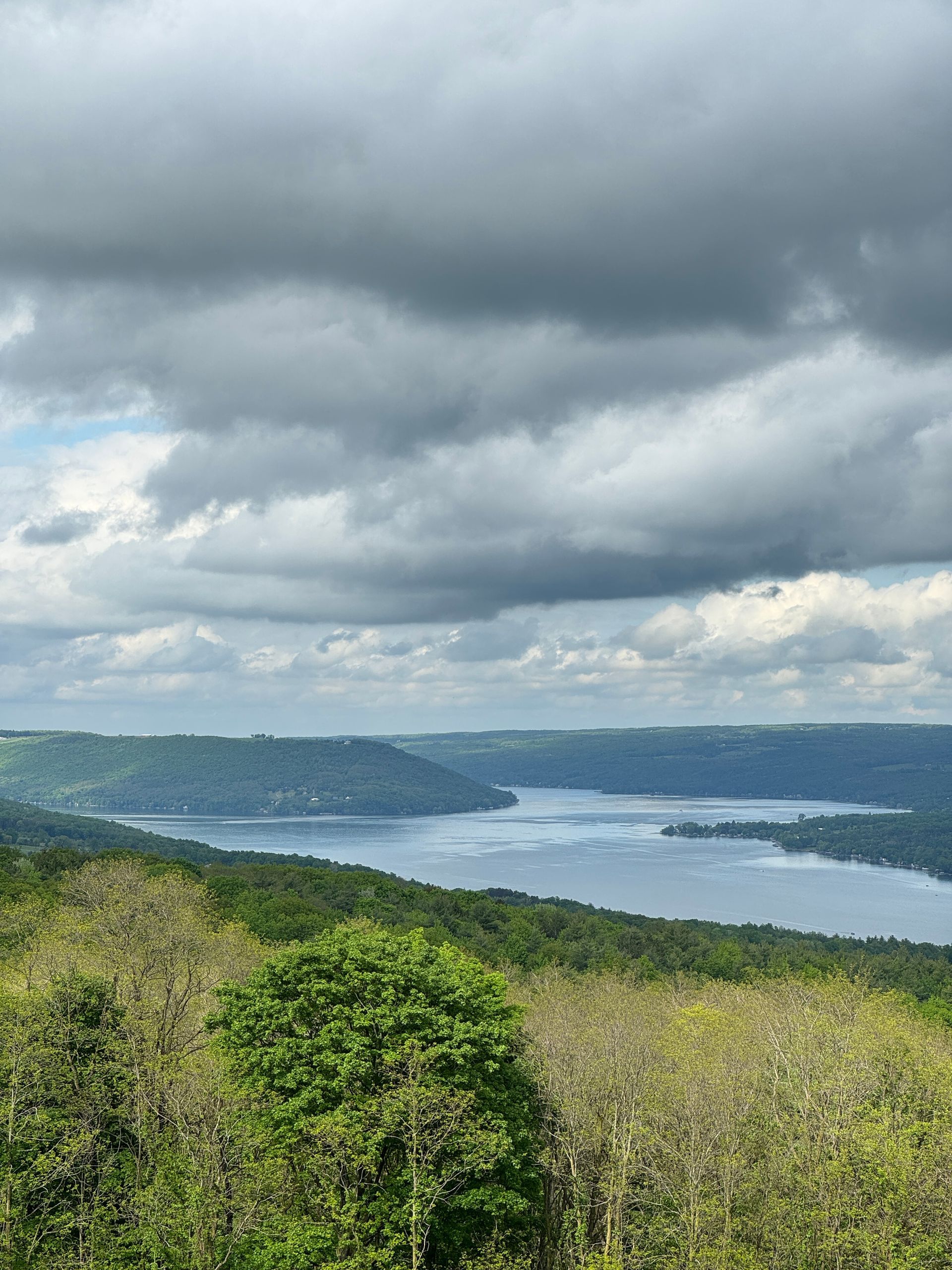
Long before Keuka Lake reflected vineyard rows and sailboats, it reflected campfires.
Before steamboats cut their white wakes across the water.
Before the villages of Hammondsport and Penn Yan even had their names.
Before the hum of Route 54 wrapped around the shoreline.
This lake already had a story.
To the Native people who lived here for generations, it was known simply as Crooked Lake — a name inspired by the unusual Y-shape of the water as it winds through the hills of the Finger Lakes.
And long before the region became known for wine trails and summer visitors, these shores were home to one of the most powerful Native alliances in North America.
The People of the Western Door
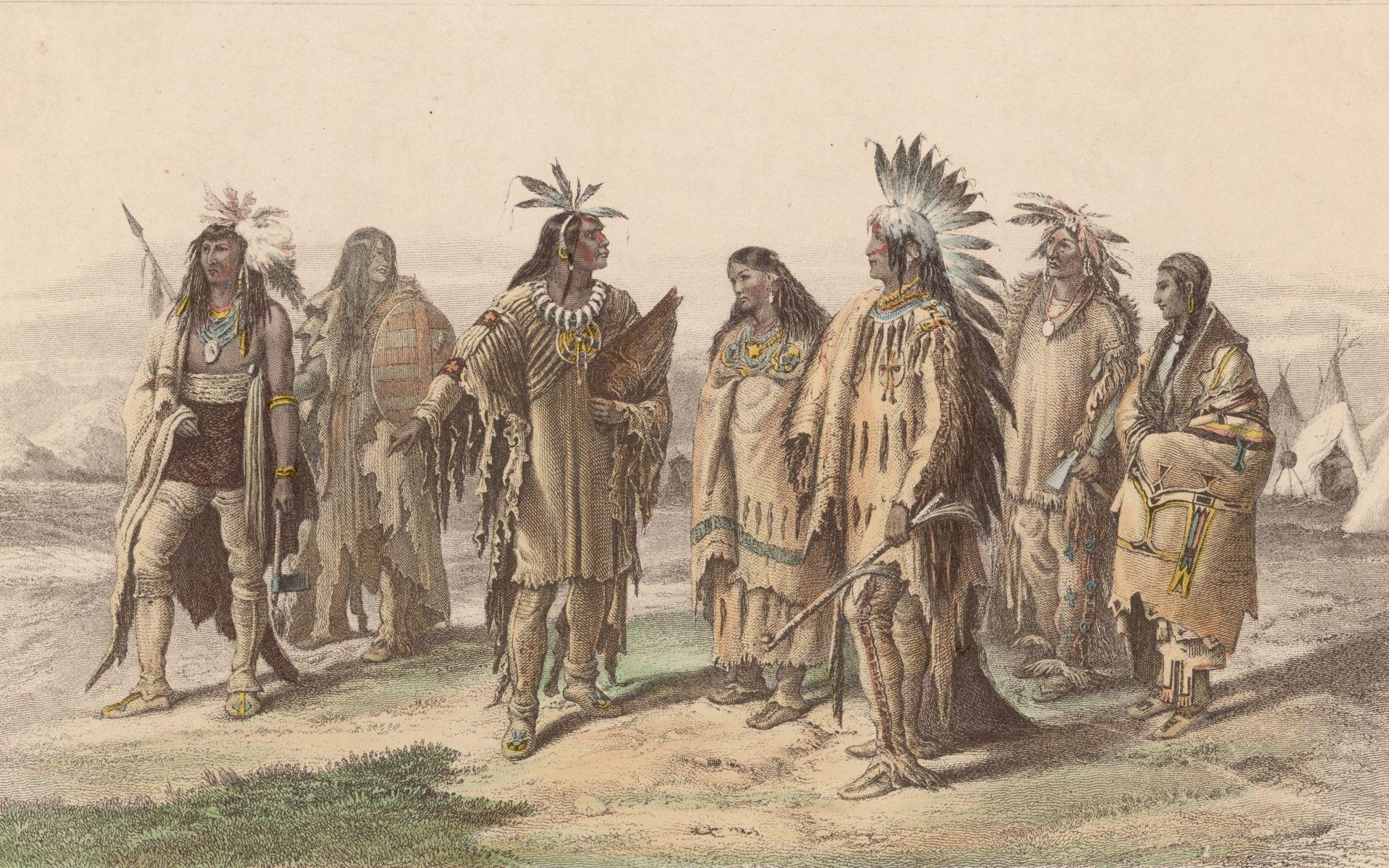
The land surrounding Crooked Lake was part of the territory of the Seneca Nation, the westernmost nation of the Haudenosaunee Confederacy.
The Confederacy united several nations in a remarkable alliance that governed much of what is now New York State. It included the Seneca, Cayuga, Onondaga, Oneida, Mohawk, and later the Tuscarora.
Among them, the Seneca were known as the “Keepers of the Western Door.”
Their lands stretched across the western Finger Lakes, protecting the confederacy’s western boundary and serving as a gateway between nations and territories.
The Seneca called themselves Onödowáʼgaʼ — The People of the Great Hill.
And Crooked Lake was part of their homeland.
Life Along Crooked Lake
Long before docks and marinas lined the shore, Seneca villages were built near the fertile hills surrounding the lake.
Families lived together in longhouses — large wooden structures covered with elm bark that could shelter many members of the same clan. These villages were vibrant communities filled with daily work, shared meals, storytelling, and ceremony.
The surrounding land provided everything needed for life.
Corn, beans, and squash were grown together in the fields — a planting method known as the Three Sisters. Each crop supported the others, both in the soil and on the table.
The forests offered deer, berries, and maple trees whose sap could be boiled into sweet syrup.
And the lake itself was a constant companion.
Canoes glided across the quiet water. Nets and spears brought fish from the lake. Trails ran along the ridges and through the valleys, connecting Crooked Lake to the wider network of Finger Lakes villages and trade routes.
Long before highways and railroads, these trails carried people, stories, and goods across the region.
When the World Changed
For centuries, the Seneca people lived across the Finger Lakes region.
But the late 1700s brought a turning point.
During the Sullivan Expedition of 1779, ordered during the American Revolutionary War, Continental forces moved through Seneca territory destroying villages and food supplies in an effort to break Native alliances with the British.
The campaign devastated many communities throughout the Finger Lakes.
In the decades that followed, treaties and land agreements gradually opened the region to European-American settlement. One of the most significant was the Treaty of Big Tree in 1797, which transferred vast tracts of Seneca land to land companies and settlers.
Soon new names began appearing on maps.
Penn Yan.
Hammondsport.
And Crooked Lake slowly became known by the name we use today — Keuka Lake.
Echoes of the First People
Even today, small reminders of that earlier history quietly remain around the lake.
On the northern shore in Penn Yan, Indian Pines Park sits along the water as a place where families gather for picnics, swimming, and summer afternoons by the lake. The name itself reflects an earlier era when places across the region were often named in reference to the Native peoples who once lived along these shores.
Not far away, locals and visitors alike know the familiar stop at Seneca Farms, where generations have pulled in for fried chicken, ice cream, and a taste of summer after a day on the lake. The name is a quiet nod to the Seneca Nation, whose history is woven deeply into the story of this land.
They are small reminders — names on signs, places on the map — but behind them lies a much older story.
The First Name Still Lingers
History has a way of lingering quietly in the places that hold it.
Even today, if you flip through old maps or listen closely to local storytelling, you may still hear the lake called by its earlier name.
Crooked Lake.
A name given long before vineyards lined the hillsides.
Long before steamboats churned the water.
Long before summer cottages and sailboats appeared along the shore.
A reminder that this lake — like so many places around Keuka — holds stories that reach far deeper than we often realize.
Stories carried by the land.
Stories carried by the water.
Stories that began around campfires reflecting on the surface of Crooked Lake.
________________________________________
A Keuka Roots Closing Note
While researching this story, I discovered something a little surprising — and honestly, a little sad. There is very little written local history about the Native American tribes who once lived along Keuka Lake. Considering how long people lived here before our villages, vineyards, and roads appeared, it feels like a chapter that deserves to be told more fully.
So if you happen to know more — whether it’s a family story, a historical source, or something passed down through generations — I would truly love to learn about it. Feel free to send me an email and share what you know. Every story helps us better understand the place we call home.
Around Keuka Lake, history doesn’t always live in museums.
Sometimes it lingers quietly in the curve of the shoreline… in the names of places we pass every day… or in the stories handed down around kitchen tables.
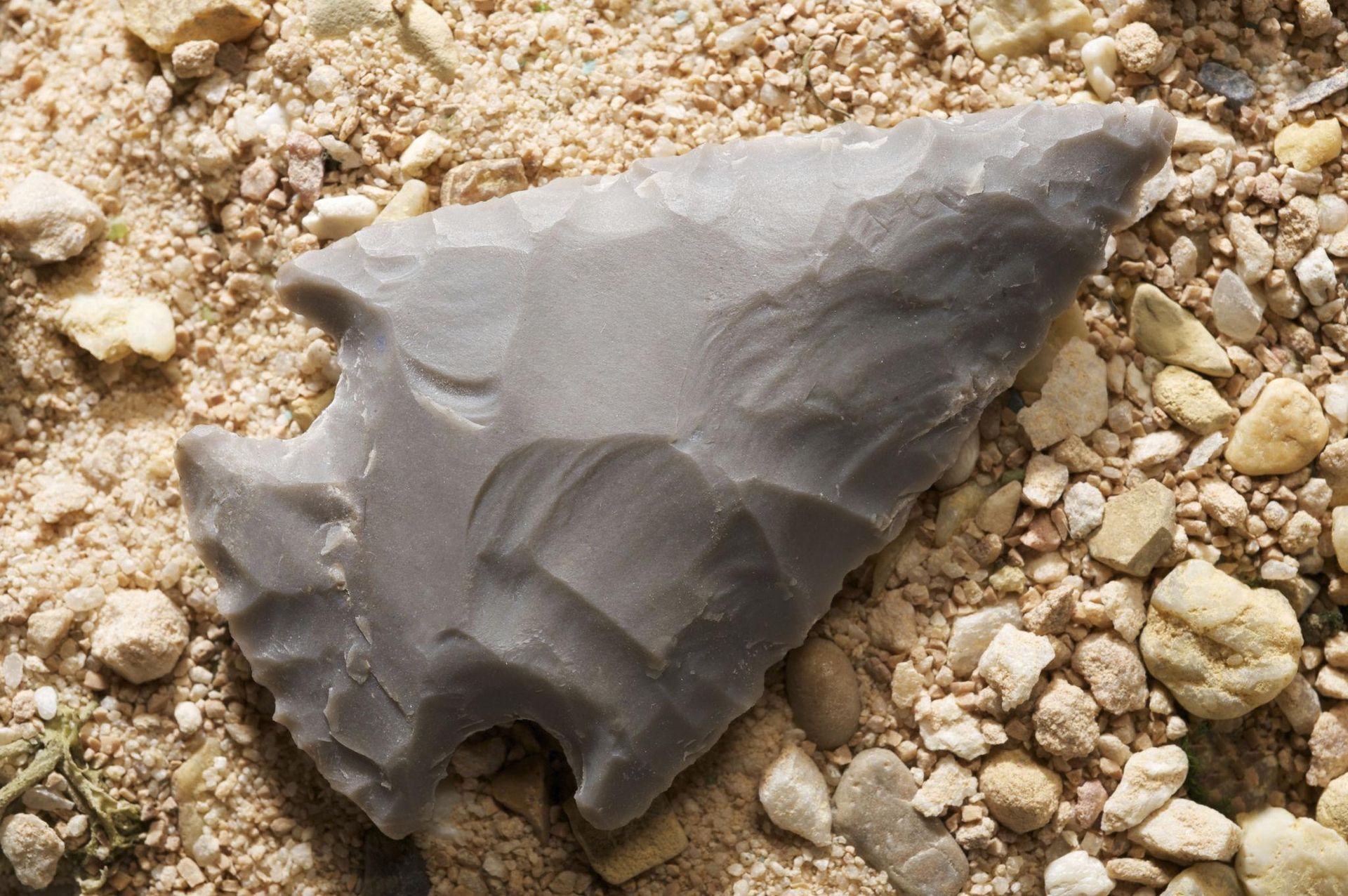
And maybe, just maybe, if you’re digging in the garden one spring afternoon or turning over a patch of soil along the hillside, you might uncover a small arrowhead tucked beneath the earth — a quiet reminder of the first keepers of this land.
A reminder that long before vineyards and village streets, Crooked Lake was simply home to those who lived upon the land.
And for many of us, it still is.
Stay Rooted. Stay Keuka. 🌿