Sometimes the stories that stay with us the longest are not the ones proudly displayed in history books, but the ones nearly lost to time altogether.
A distant relative recently sent me a collection of old newspaper clippings she had uncovered on Ancestry.com — fragile accounts of another horrifying tragedy that unfolded in 1903 in the small hamlet of Yatesville near Branchport. Online records were nearly nonexistent when I went searching. No polished historical summaries. No preserved local retellings. Just faded newspaper ink she sent me carrying the weight of something terrible that once shook these quiet hills around Keuka Lake.
As I read through the articles, it became clear this was more than simply an old crime story.
It was a shadow cast across a rural community.
A family tragedy buried beneath generations of silence.
And like so many forgotten stories around Keuka, it left behind questions that still seem hidden deep within the soil itself.
Like so many places across America there are certain stories around Keuka Lake that linger quietly beneath the surface of local memory.
Not the stories told at summer festivals or along crowded winery decks on warm July afternoons. Not the stories painted onto postcards or tucked neatly into tourism brochures.
But the darker stories.
The ones whispered about long after the lamps burned low in old farmhouses scattered through the hills above Branchport and the Guyanoga Valley.
And few stories from early Yates County history feel darker. Local newspapers called it simply: The Strowbridge Tragedy.
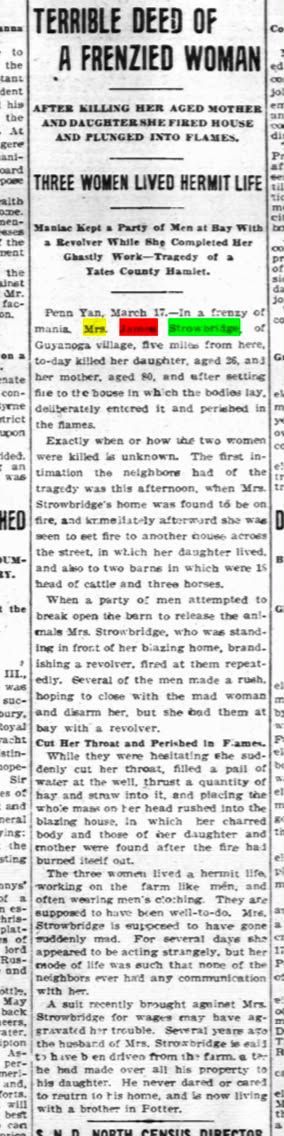
In March of 1903, the quiet farming communities surrounding Branchport and Guyanoga Valley were shaken by a series of events so horrifying that larger newspapers across New York carried dramatic headlines describing it as:
“Terrible Deed of a Frenzied Woman”
The tragedy unfolded just a few miles from Branchport in the rural hills near Keuka Lake, where three women reportedly lived an isolated existence on a small farm.
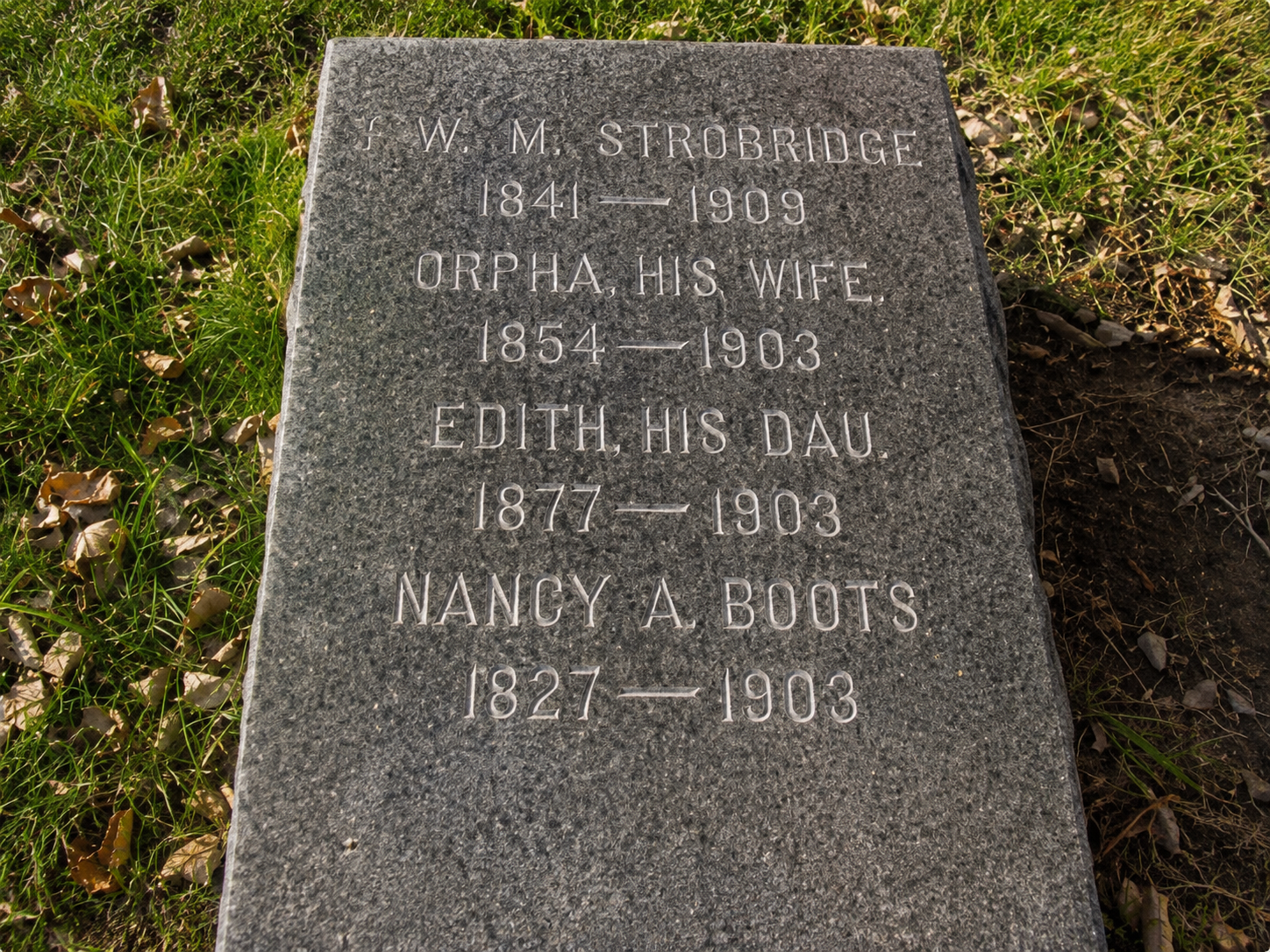
According to newspaper accounts from the time, Mrs. Orpha Strowbridge — born Orpha Boots — had become increasingly withdrawn, suspicious, and unstable in the years leading up to the tragedy. The papers described the family as living a “hermit life,” largely cut off from neighbors and the surrounding community.
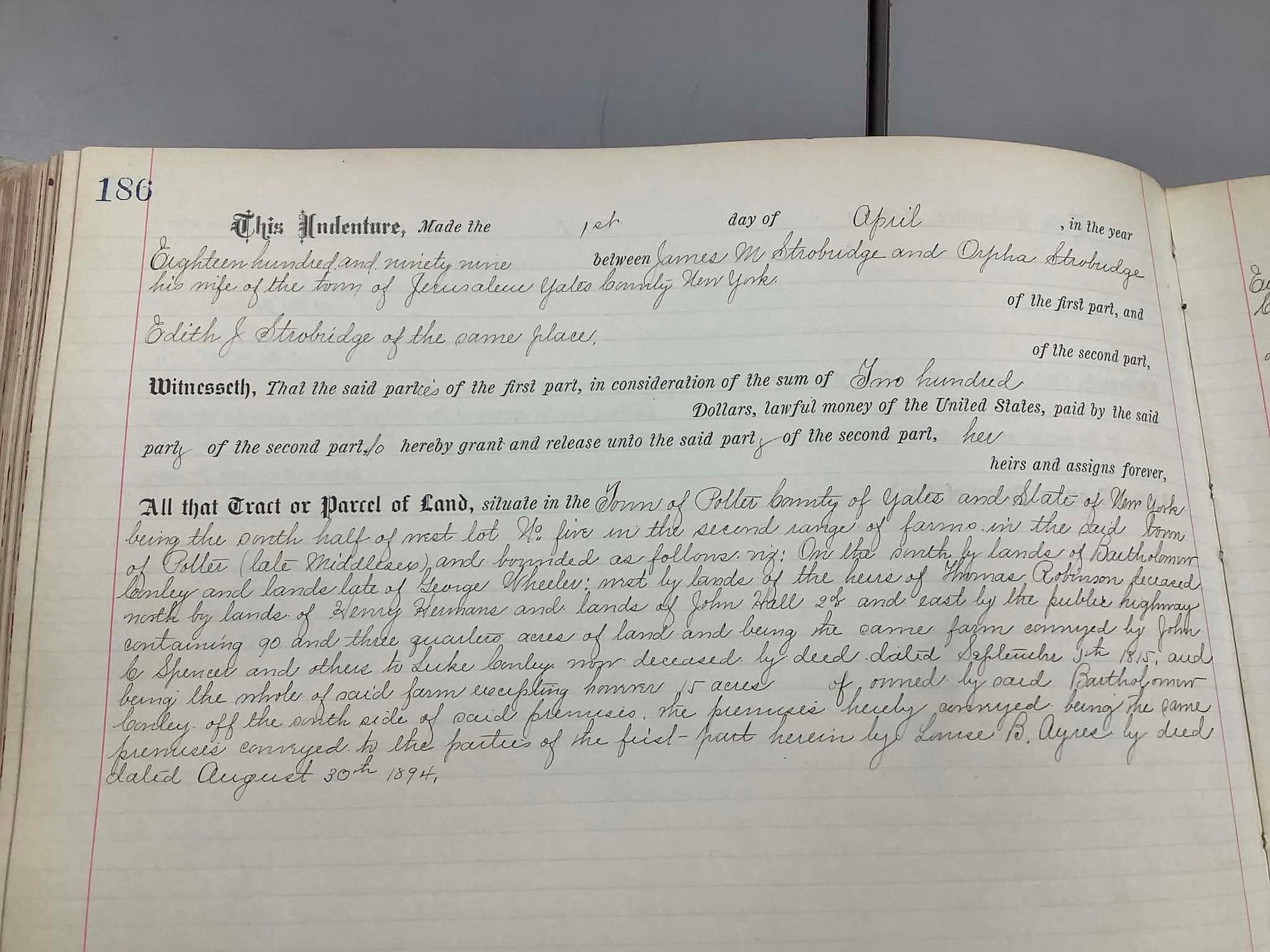
By many accounts, the family had once been reasonably well off. But over time, isolation and fear appeared to settle heavily over the farmhouse.
Newspaper reports claimed Orpha had become deeply suspicious that others were trying to rob her. She reportedly hoarded money, avoided neighbors, and rarely trusted outsiders. Some accounts even noted the women often worked the farm alone and dressed in heavy work clothing more commonly worn by men during that era.
And then came the week everything collapsed.
Several days before the murders, newspapers claimed Orpha had chased her daughter Edith through the countryside with an axe. Imagine that scene for a moment.
The lonely dirt roads winding through Guyanoga Valley.
The cold March air.
The bare trees still waiting for spring.
And a terrified daughter running through the quiet hills above Keuka Lake knowing something inside her mother had changed.
Edith later wrote a letter to a friend describing the fear and tension inside the household. Tragically, according to reports, the letter was read and then burned before investigators could fully learn what it contained.
Then, on March 17, 1903, the horror reached its terrible conclusion.
Neighbors first noticed smoke rising from the Strowbridge property. According to newspaper accounts, Orpha had already killed her daughter Edith, age 36, and her elderly mother Nancy Boots, age 80.
Reports differed on the exact manner of death. Some articles suggested Edith had been attacked with an axe while Nancy, bedridden at the time, may have been smothered.
But the violence did not stop there.
Authorities stated Orpha then set fire to:
• the family home,
• her daughter’s nearby home across the road,
• and two barns containing livestock and horses.
As flames spread across the property, local men rushed to the scene hoping to rescue the trapped animals. But according to newspaper accounts, Orpha stood in front of one of the burning barns armed with a revolver, firing shots and forcing the men to keep their distance while the buildings burned.
Then came the most haunting moment of all.
The newspapers claimed that after cutting her own throat, Orpha calmly filled a pail with water from the well, packed hay and straw into it, balanced it upon her head, and walked directly into the burning house where the bodies of her daughter and mother lay.
When the fire finally died down, all three women were found dead.
Even now, more than a century later, the story feels difficult to fully comprehend.
What exactly unfolded inside that isolated farmhouse in Guyanoga Valley?
How long had fear and paranoia been growing there?
Could anyone in those small rural communities have recognized the warning signs?
Or was this one of those tragedies people in the early 1900s simply did not know how to stop?
The language used by newspapers at the time reflected the era — dramatic, sensational, and lacking modern understanding of mental illness. Today, it is impossible to read the story without recognizing that something profoundly broken had likely been unfolding inside Orpha long before the fires ever started.
And perhaps that is what makes the Strowbridge tragedy feel so haunting even now.
Not simply the violence itself.
But the isolation surrounding it.
Because rural life around Keuka in the early 1900s could be extraordinarily lonely. Farmhouses sat miles apart. Mental illness was poorly understood. Families often carried hardship privately behind closed doors until neighbors learned of tragedy only after smoke appeared rising above the hills.
Today, Guyanoga Valley remains peaceful and beautiful. Vineyards roll across slopes, farmland and modern day barns now stand where old farms once stood. Travelers pass quietly along back roads without realizing the weight of some of the stories these hills still hold.
But history around Keuka has never been made up solely of postcard moments and summer sunsets.
It has also been shaped by grief.
By hardship.
By loneliness.
By families carrying burdens too heavy to bear alone.
Every place carries stories that cast shadows across its history.
Even Keuka.
Perhaps that is why tragedies like this are not entirely forgotten here. Beneath the beauty of the lake, the vineyards, the rolling farmland and the quiet hills, there are also echoes of hardship, loss, and lives forever altered.
Some stories fade with time.
Others settle deep into the landscape itself…
becoming part of the soil that still remember.
Stay Rooted. Stay Keuka.