Long before Penn Yan had a name, the Wagener family helped shape the land, the orchards, and the story that still echoes around Keuka today.
Before Penn Yan had sidewalks, storefronts, or even a name…
there was water.
Forest.
Mud roads.
And the kind of silence only frontier land knows.
Back in the late 1700s, David and Rebecca Wagener left Montgomery County, Pennsylvania and made their way north into the untamed Finger Lakes region—drawn here the same way so many early settlers were: by land, opportunity, and the promise carried in the waters surrounding Keuka Lake.
At the time, the Keuka Outlet was more than scenic beauty.
It was power.
The fast-moving water rushing between Keuka and Seneca Lake created the perfect conditions for milling, and David Wagener recognized that almost immediately. He established one of the earliest sawmills along the outlet and later a gristmill as well, helping lay the economic foundation for what would slowly become the village of Penn Yan.
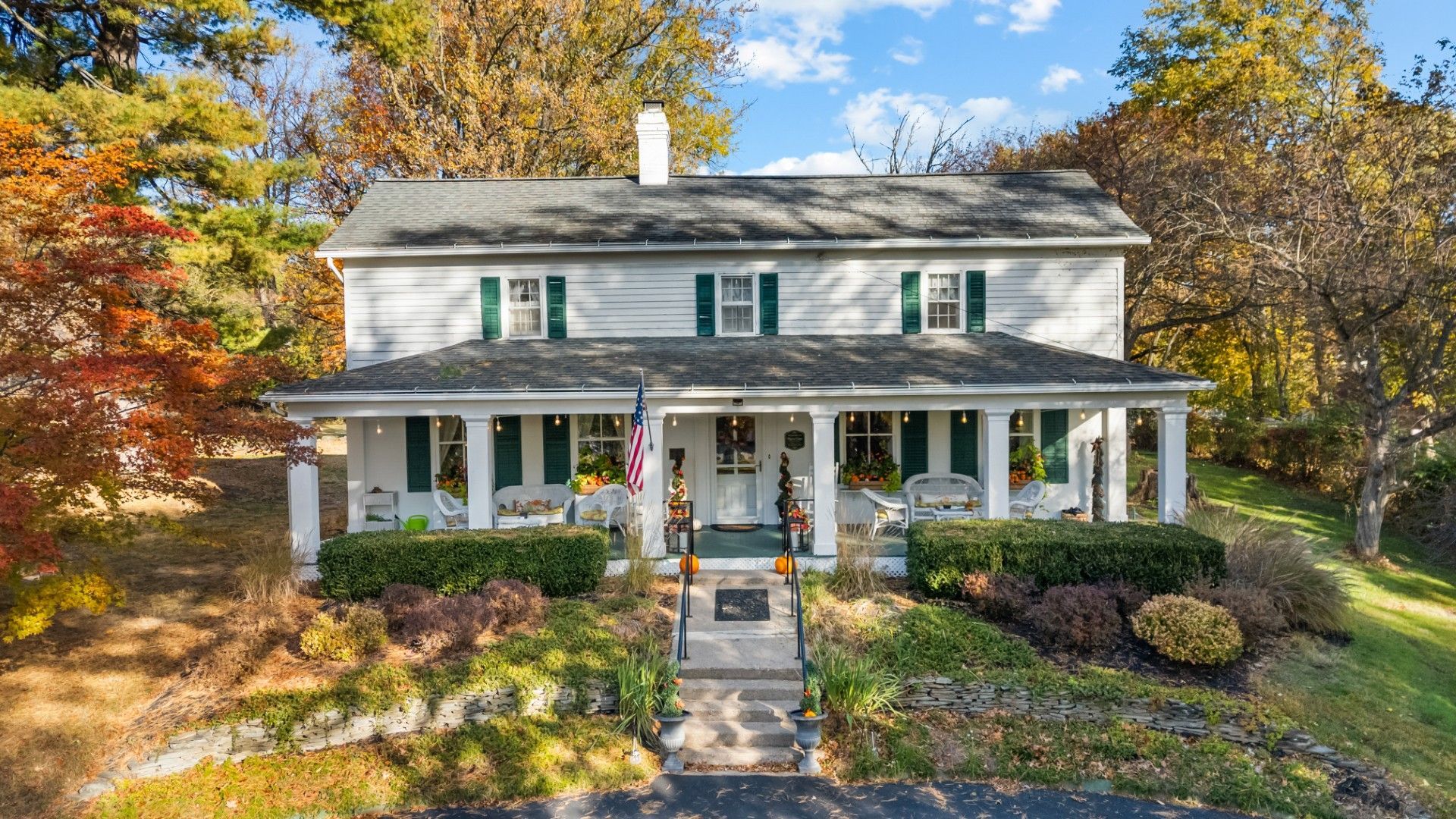
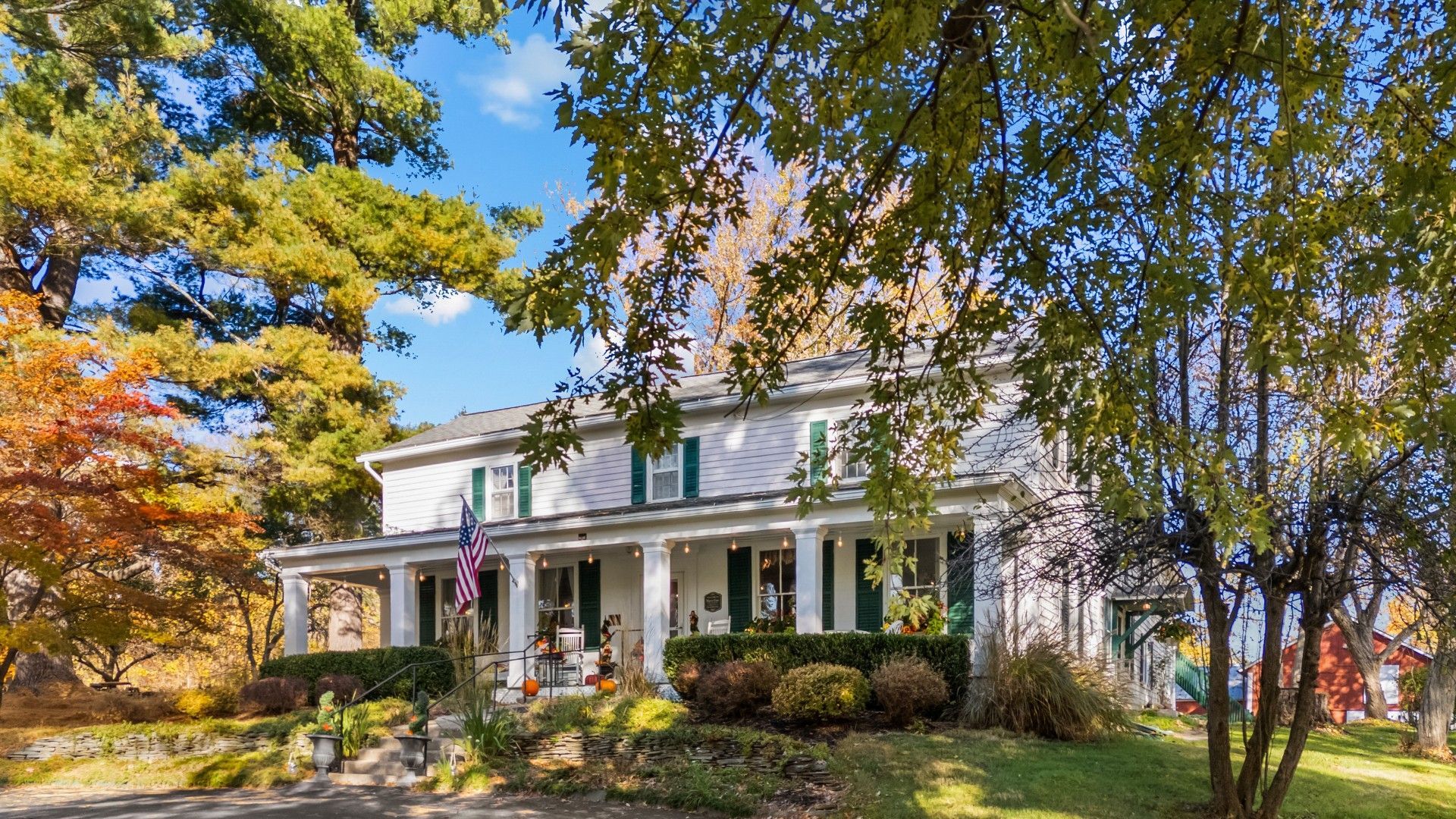
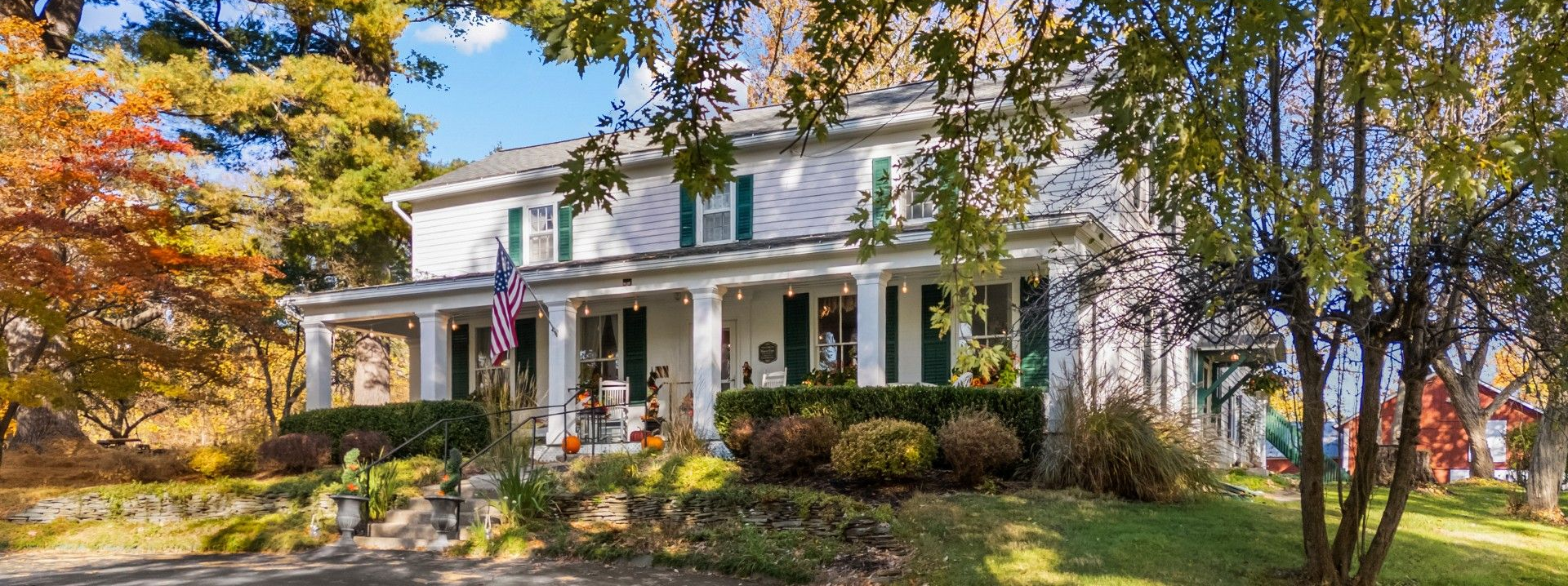
In 1794, he built the original homestead that still forms the heart of the historic Wagener Estate today.
And little by little…
life gathered around it.
Workers. Families. Farmers. Travelers. Commerce.
The mills became gathering points. The settlement grew. And in many ways, the earliest heartbeat of Penn Yan began right there along the outlet waters.
But like so many frontier stories, it carried both promise and hardship.
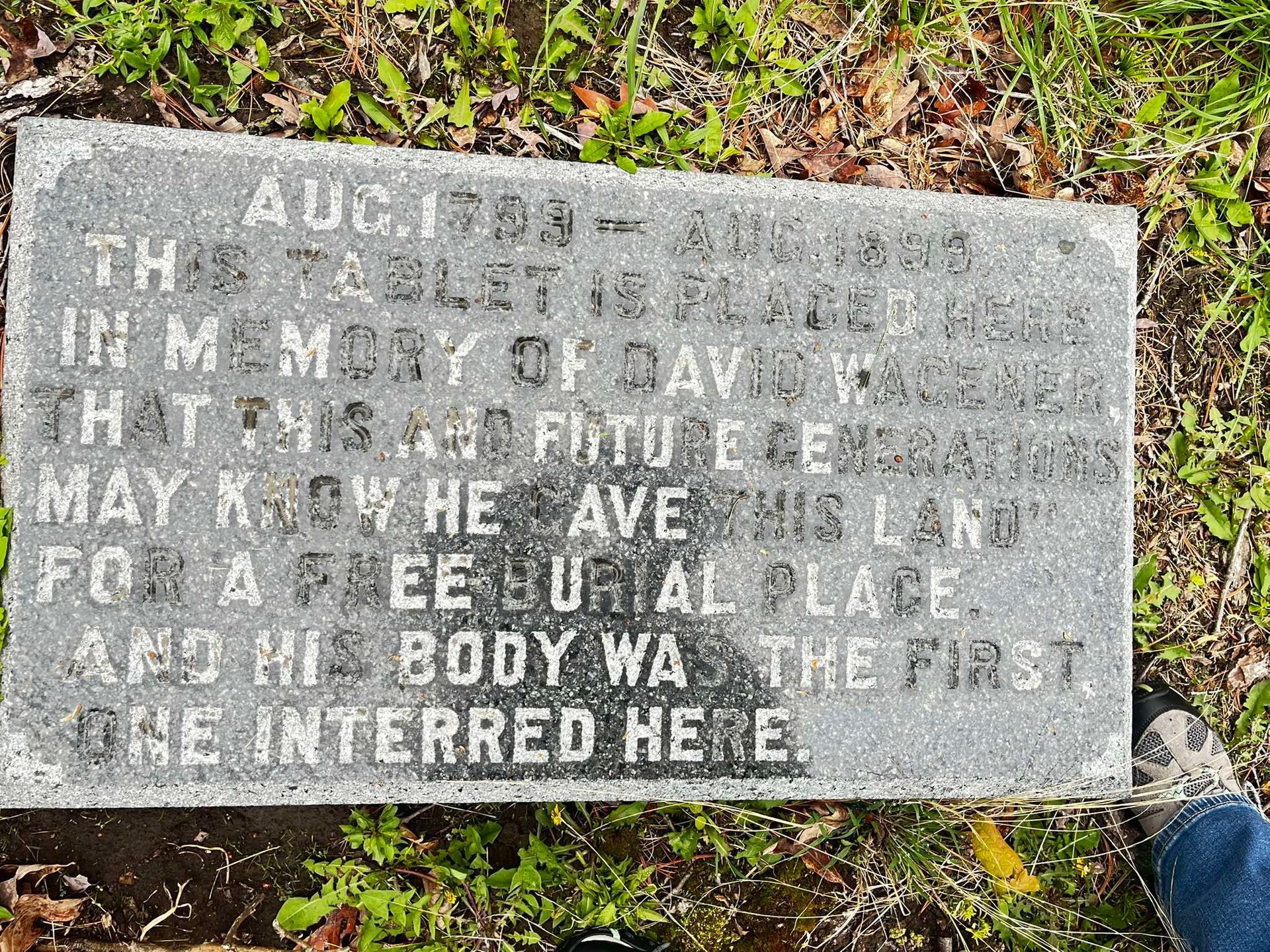
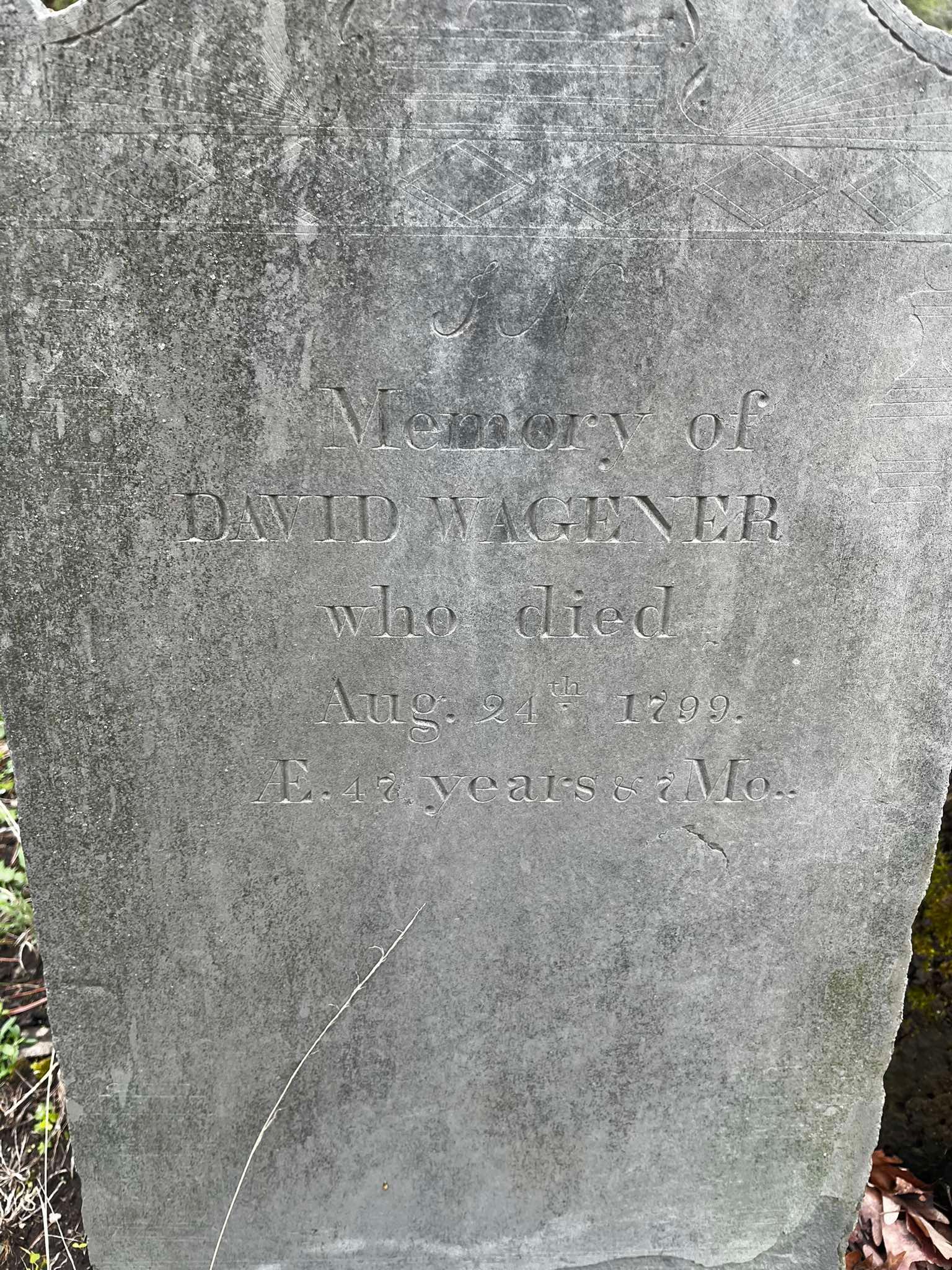
David Wagener died in 1799 following complications from a mill-related accident. He was buried on land he himself donated to serve as a free burial ground for the community—what is now Lake View Cemetery.
His memorial marker still reads:
“This tablet is placed here in memory of David Wagener, that this and future generations may know he gave this land for a free burial place and his body was the first one interred here.”
And somehow… that feels fitting.
Because the Wagener name and his legacy never really left this place.
David’s son, Abraham Wagener—often remembered as the “Father of Penn Yan”—carried the family legacy forward. He expanded the family holdings, became a leading civic and business figure, and helped guide Penn Yan into becoming the county seat in 1823.
If David helped build the foundation…
Abraham helped shape the future that rose from it.
And then there are the orchards.
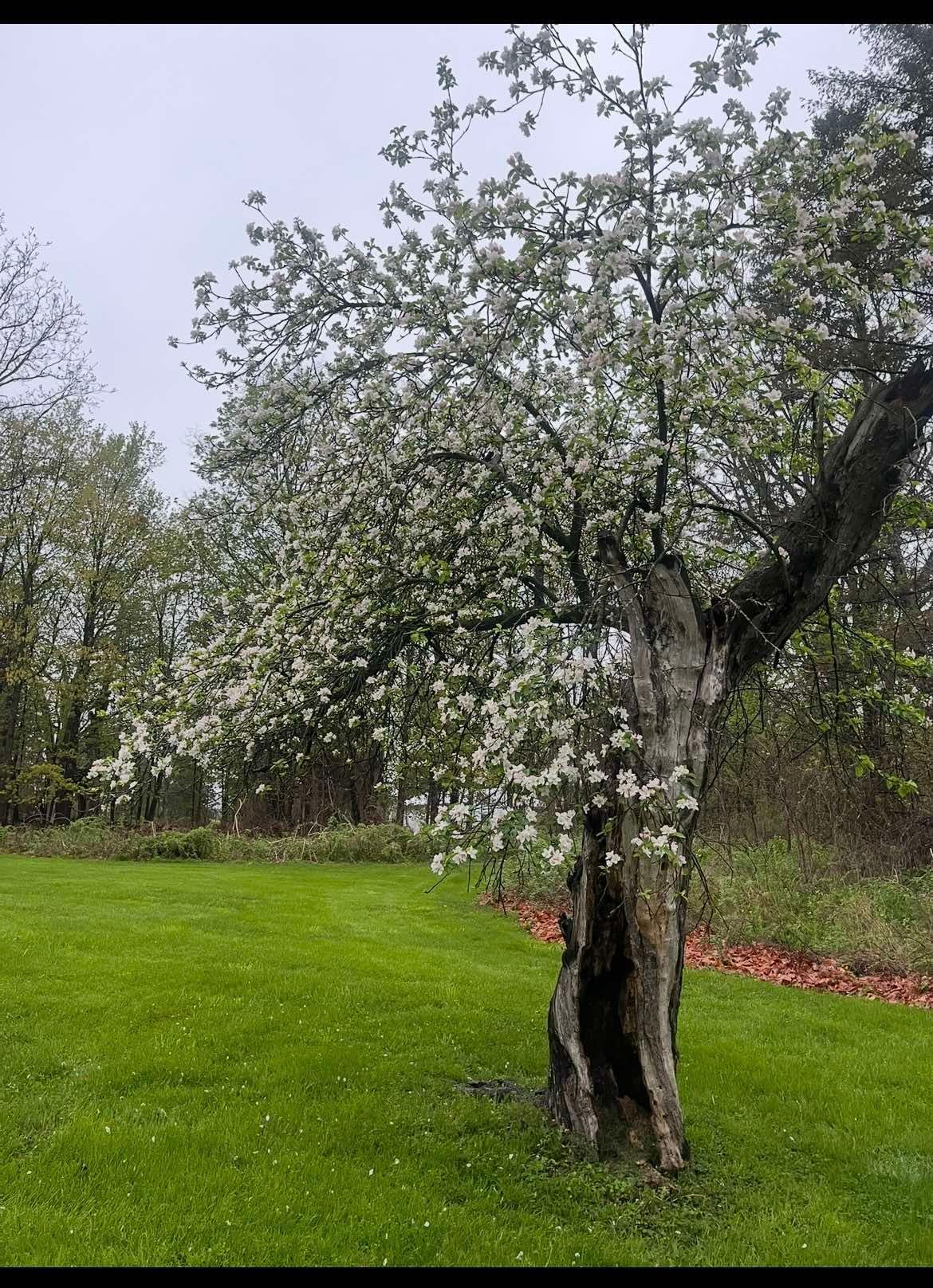
Because part of the Wagener story still blooms here every spring through the famous Wagener apple.
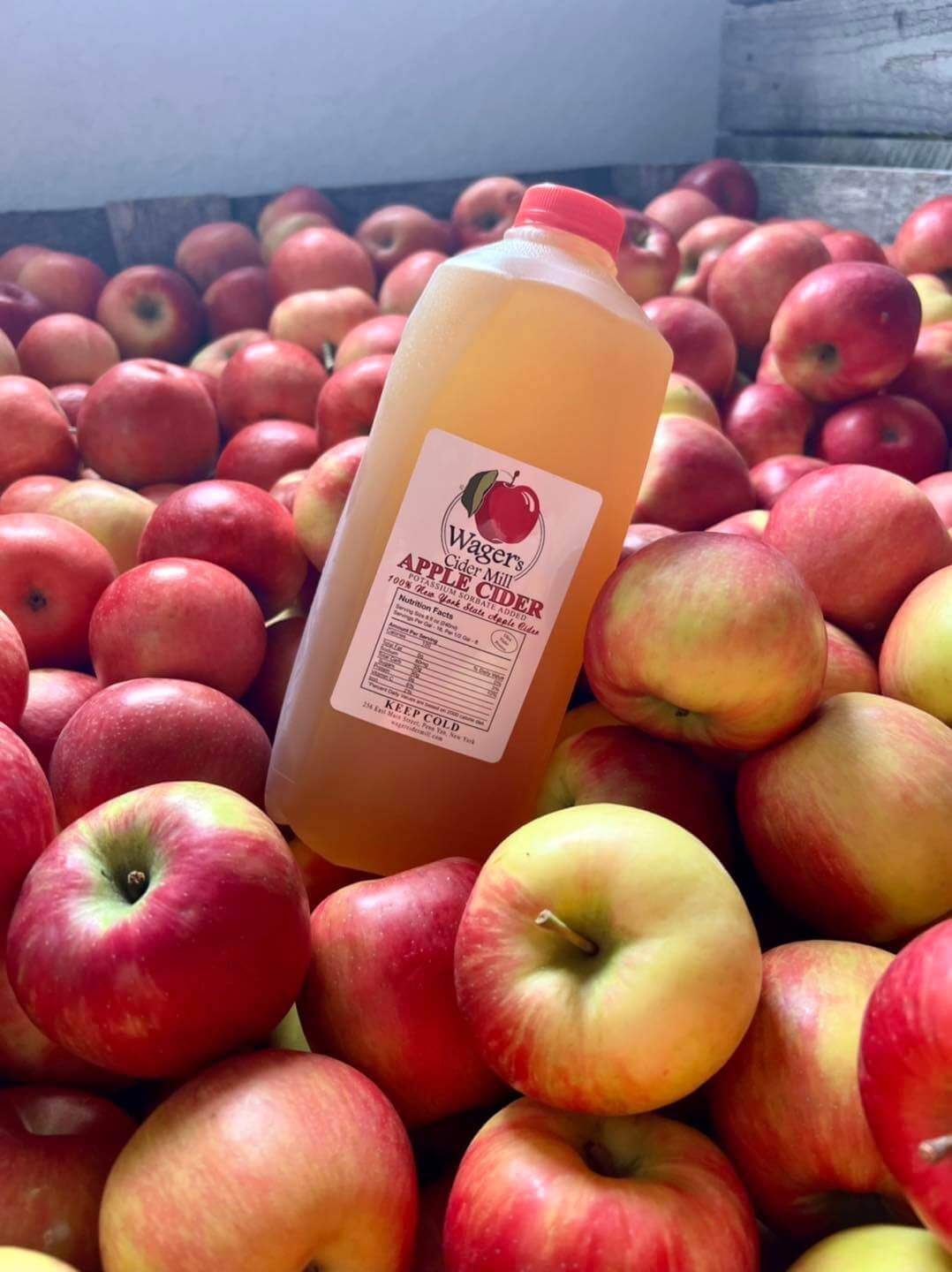
The Wagener apple traces directly back to the Wagener homestead near Penn Yan and is believed to have originated from an early seedling tree growing on the family property. Over time, the apple became known throughout New York State for its deep red coloring, crisp flesh, excellent cooking qualities, and remarkable ability to keep through long winters.
By the mid-1800s, it had become one of the region’s most respected apple varieties.
And in many ways, it represented the Finger Lakes itself—hardy, beautiful, practical, and deeply rooted in the land.
For generations around Keuka, the Wagener apple was prized for pies cooling on farmhouse windowsills, cider pressed in the fall, winter storage cellars, and recipes passed quietly through families.
It wasn’t planted simply for flavor.
It was planted for survival.
The apple itself would go on to influence later American varieties, including the Idared apple and possibly even branches within the lineage of the Northern Spy apple.
And woven quietly into that orchard history is the name George Wheeler.
Over the years, Wheeler became associated with preserving portions of the historic Wagener property and its orchard traditions following later ownership transitions. In local memory and regional historical references, his name remains tied to efforts that helped protect and continue the agricultural legacy surrounding the estate.
Some accounts even suggest that surviving descendants—or grafts—of the original Wagener apple trees remain connected to the grounds even today, centuries later.
Like many old Finger Lakes stories, the details blur gently between oral history, local memory, agricultural records, and generations of storytelling.
But perhaps that’s part of what makes it all feel so deeply alive.
The truth…
history was never meant to stay trapped in books alone.
Sometimes it grows quietly in old orchards.
Sometimes it lingers beside stone foundations and weathered barns.
And sometimes, every spring, it still blossoms along the hillsides where it first began.
The Wagener Estate is more than a historic home.
It is the story of how wilderness slowly became community.
How water became industry.
How orchards became legacy.
And how one family helped shape the identity of an entire region.
And somehow, in places like this, history feels less like memory… and more like presence.
History doesn’t simply survive here.
It lives in the depths of the lake, in the breeze drifting softly through old windows, in the weathered walls shaped by generations, and deep within the land itself.
Its roots are still growing.
🌿 A Keuka Roots Reflection
It’s impossible to tell the full story of the Wagener Estate in just one blog.
Some places carry too much history for that.
Too many footsteps.
Too many generations.
Too many stories still quietly resting beneath the surface.
So consider this the beginning of a small series—one that traces the roots of one of Penn Yan’s founding families and the remarkable legacy they left behind along the shores of Keuka Lake and are still building.
Because the story of the Wagener Estate is, in many ways, a full circle story.
It began long before its current stewards.
Long before the estate would once again become home to someone carrying the Wagener name in her bloodline.
Long before Katie Reigelsperger Whitney. —a direct descendant of David Wagener—even realized just how deeply her family history was tied to this land.
And yet somehow, generations later, life quietly guided her and her husband back to the very home her ancestors built in 1794.
The same property where mills once helped shape a village.
Where orchards once bloomed across the hillsides.
Where the earliest foundations of Penn Yan slowly began to take shape.
If walls could talk here…
they wouldn’t simply tell stories.
They would remember them.
The laughter that once echoed through these rooms still seems to rise softly from the creaky floorboards. The windows still catch the same lake breeze generations before once felt against their skin. And somehow, the house itself feels less abandoned by time… and more entrusted to it and the families that have cared for it.
Perhaps that’s the beauty of places like this — the stories never leave.
They linger in the woodwork, settle into the land, and wait quietly for someone willing to listen.
Because sometimes history doesn’t just repeat itself.
Sometimes… it finds its way home.
Welcome home, Katie, welcome home!
Stay Rooted. Stay Keuka.