Keuka Lake doesn’t just have wineries — it helped create the American wine industry as we
know it today. Long before tasting rooms, wedding venues, and wine trails, this Y-shaped lake became an agricultural experiment that quietly changed U.S. viticulture forever.
Before the Vineyards: Native Grapes & Early Settlers
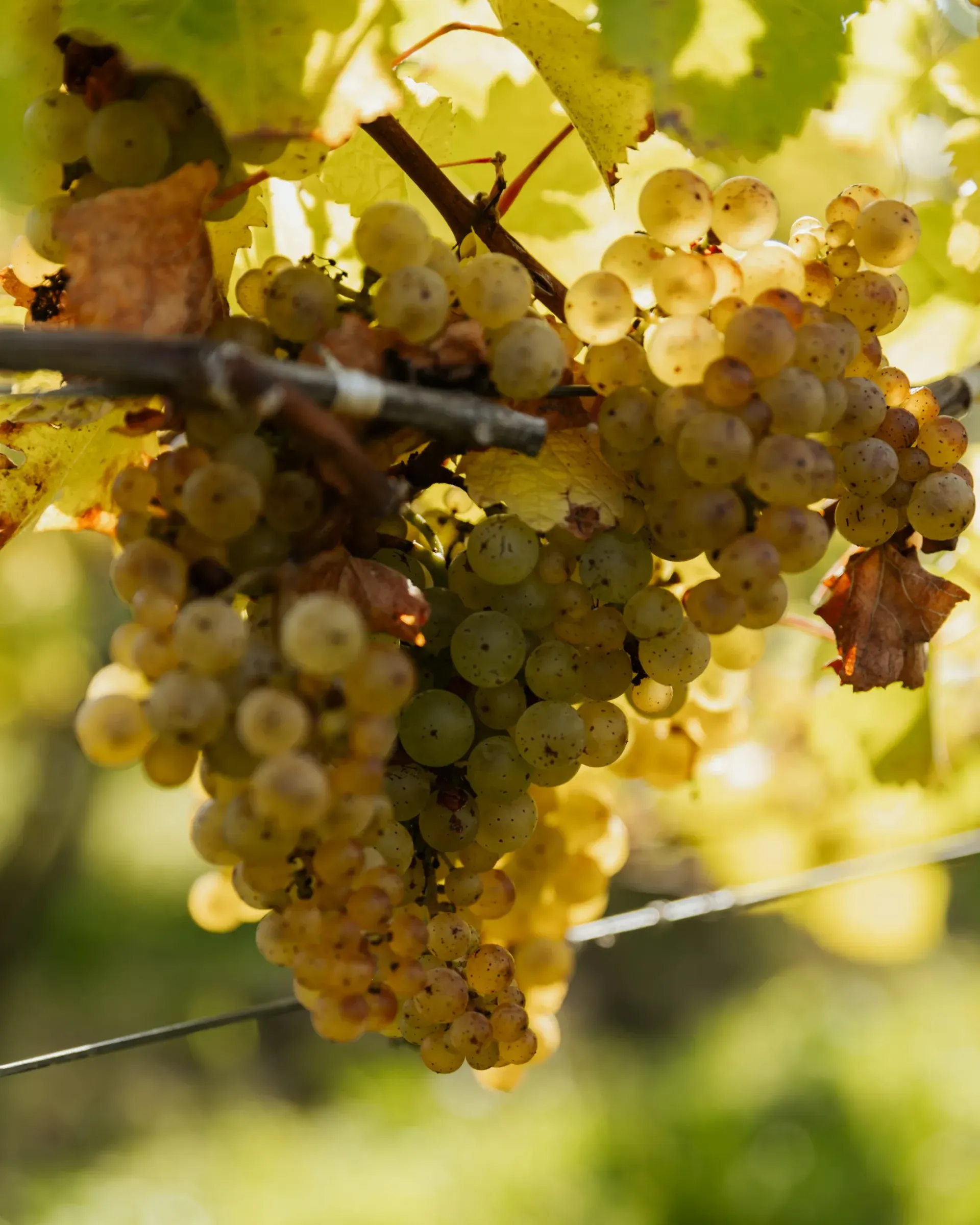
Before European settlers arrived, the hills surrounding Keuka Lake were already filled with wild grapes — especially fox grapes (Vitis labrusca). Indigenous peoples gathered them for food, drying, and simple fermentation. The land already understood grapes long before formal vineyards appeared.
Early settlers noticed something curious: the slopes above the lake rarely froze as hard as surrounding farmland. Keuka’s deep waters absorbed summer warmth and slowly released it through the winter, creating a natural temperature buffer. Wheat often struggled. Grapes did not.
What began as an observation would become an industry.
The First Vineyard: Rev. William Bostwick (1836)
In 1836, Episcopal minister Rev. William Bostwick planted the first successful vineyard near Hammondsport. At the time, many Americans believed grapes suitable for winemaking could not survive harsh northern winters. Bostwick proved otherwise.
His vineyard drew attention from investors and agricultural experimenters. The hills above Keuka Lake were no longer just farmland — they were possibility.
The Champagne Capital of America (Late 1800s)
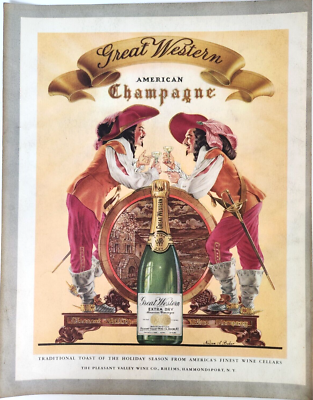
By the late nineteenth century, Hammondsport had become known as the Champagne Capital of America.
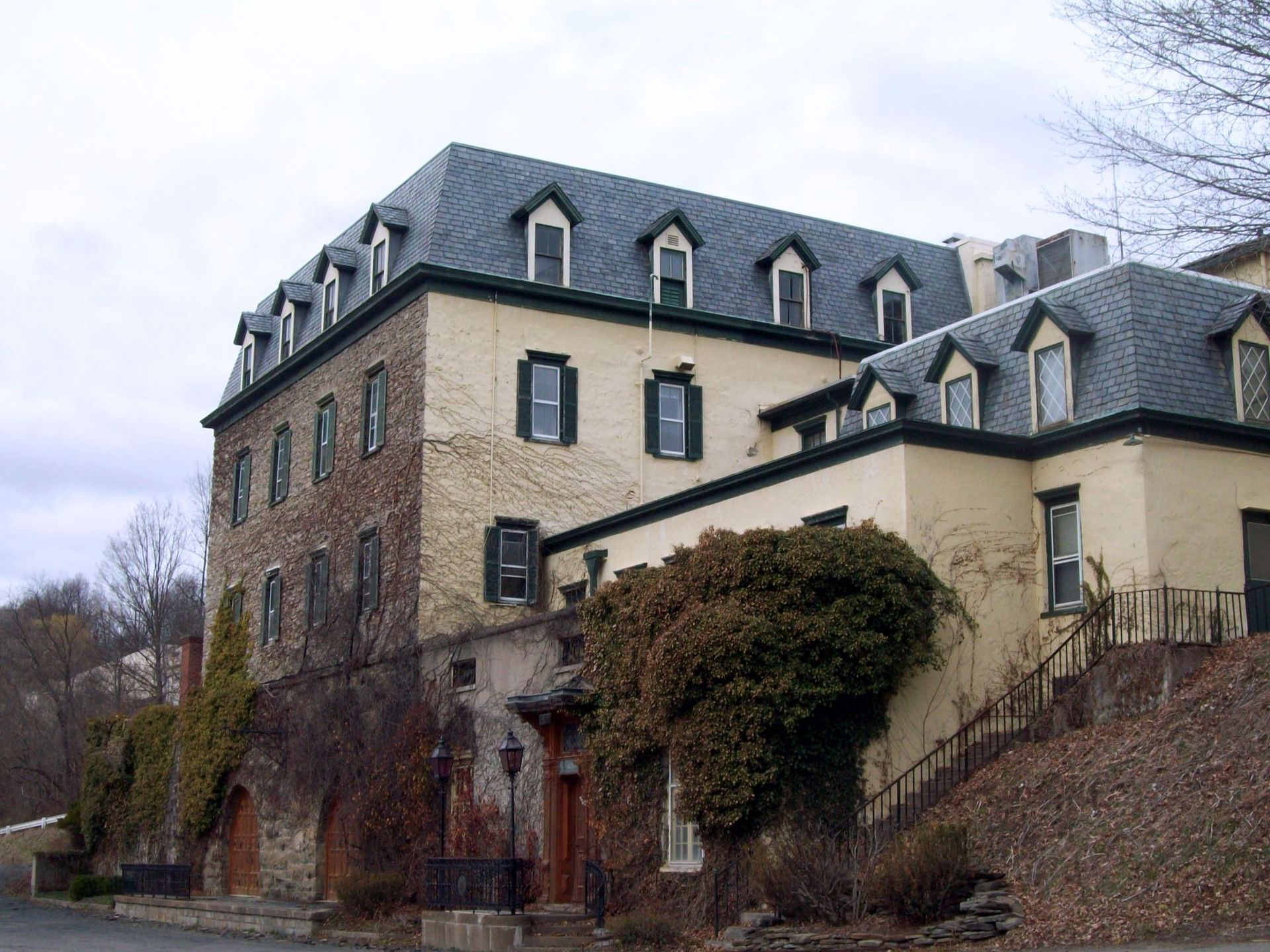
The Pleasant Valley Wine Company produced its famous Great Western Champagne, earning international awards and recognition. Soon after, the Taylor family established the Taylor Wine Company — a name that would become one of the most recognized wine brands in the entire United States. Their wines traveled nationwide and brought international attention to this small village at the south end of Keuka Lake.
Wine wasn’t a novelty here — it was identity.
Then came Prohibition in 1920.
Almost overnight, the industry collapsed. Vineyards were torn out or converted to juice grapes. For decades, the region’s winemaking reputation faded into memory, surviving only in local tradition and stubborn hope.
Taylor Wine, Bully Hill, and the Fight for Identity
After Prohibition, the Taylor Wine Company helped rebuild the region’s wine presence and remained a dominant force in American wine through much of the twentieth century. Generations of families across the country grew up with Taylor wines on their tables — many never realizing they came from a small Finger Lakes village called Hammondsport.
But the Keuka wine story would take a dramatic and deeply personal turn.
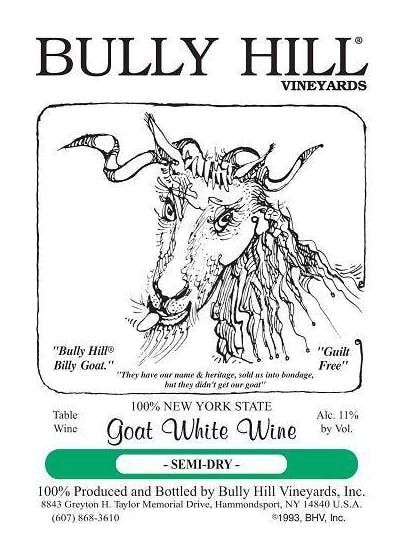
Walter S. Taylor — a descendant of the Taylor wine family — later founded Bully Hill Vineyards overlooking the lake. His colorful labels, outspoken personality, and commitment to quality helped reintroduce character and storytelling into Finger Lakes wine during a time when the industry was still finding its footing again.
A now-famous legal battle over the Taylor name forced Bully Hill to remove the family surname from its labels, yet the winery endured. In many ways, that struggle became symbolic of the Finger Lakes itself — resilient, independent, and determined to define its own identity rather than live in someone else’s shadow.
No account of Keuka Lake wine or champagne is complete without the legacy of Taylor Wine and the spirit carried forward by Bully Hill. Together they bridged the era between early industrial winemaking and the modern artisan movement.
The Man Who Changed American Wine: Dr. Konstantin Frank
For more than a century, most wineries grew native American grapes like Concord and Catawba. Experts insisted European wine grapes — vinifera — could never survive New York winters.
In the 1950s, Ukrainian immigrant and viticulturist Dr. Konstantin Frank challenged that belief.
He argued the climate wasn’t the problem — Americans were using the wrong rootstock.
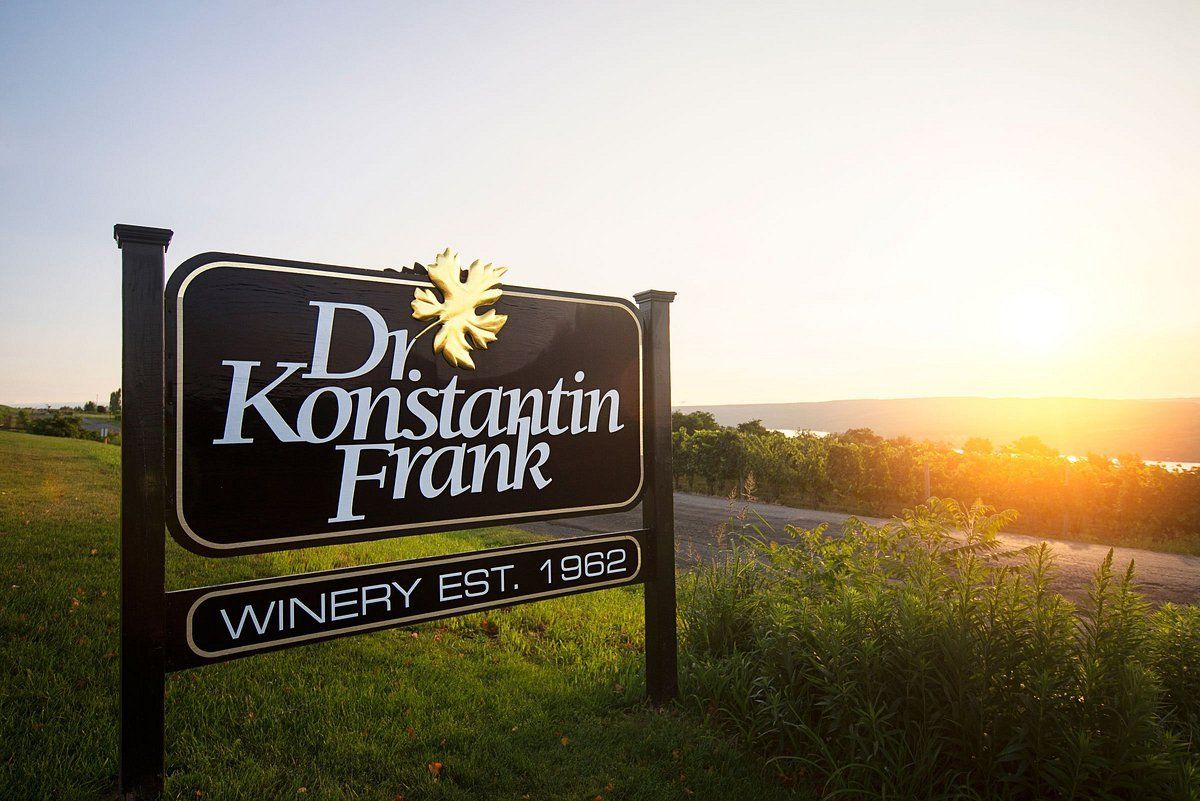
In 1962, on the slopes above Keuka Lake, he planted Riesling, Chardonnay, and Pinot Noir.
They lived.
They thrived.
They produced world-class wine.
This single experiment rewrote American wine science and launched the modern Finger Lakes wine industry. What California would later scale commercially, Keuka Lake proved scientifically possible.
The Wine Trail Era: 1980s to Today
Dr. Frank’s success sparked a quiet rebirth. Small family wineries began returning in the 1970s and 1980s. By the 1990s, wine trails formed, and visitors started arriving not just to drink wine, but to experience place.
Today, Keuka Lake is internationally respected for cool-climate wines, especially Riesling, Gewürztraminer, Pinot Gris, and Cabernet Franc.
And what makes it special still hasn’t changed — the lake itself. A natural radiator. A frost shield. The quiet architect of flavor.
Why Keuka Matters
Keuka Lake is one of the very few places in the United States where three defining chapters of wine history happened in the same location:
• Native American grape use
• America’s early sparkling wine industry
• The successful introduction of European vinifera grapes in cold climates
California perfected wine production.
Keuka proved wine possibility.
A Keuka Roots Thought 🌿
Long before tasting passports and sunset photos on the bluff, these hills were experiments, risks, and stubborn belief that something beautiful could grow where others said it couldn’t.
And maybe that has always been the real story of Keuka Lake — not just growing grapes, but growing possibility.
Stay Rooted. Stay Keuka.